Educational Activities at Home That Actually Work
Keeping kids learning outside of school hours doesn’t require a curriculum or a credit card. Some of the best educational activities at home use things already sitting in a kitchen drawer or a bookshelf.
Parents often assume “educational” means structured worksheets or expensive kits. In reality, kids absorb more from open-ended play, conversation, and hands-on problem solving than from most printed workbooks.
Why Home Learning Matters Between School Years
Learning doesn’t pause when the school day ends. Reading, counting, building, and asking questions all reinforce classroom skills in a low-pressure setting.
Short, consistent bursts of learning at home tend to stick better than long, forced sessions. Ten focused minutes beats an hour of resistance.
Simple Activities by Age Group
Different ages need different approaches. Here’s a quick breakdown:
| Age Group | Activity Type | Example |
| 3–5 years | Sensory play | Sorting buttons by color |
| 6–8 years | Hands-on science | Growing beans in a jar |
| 9–12 years | Logic and strategy | Board games, puzzles |
| Teens | Independent projects | Cooking, budgeting practice |
Activities for Younger Kids
Toddlers and preschoolers learn best through touch and repetition. Stacking cups, matching socks, or naming objects during a walk all build early vocabulary and motor skills.
Activities for School-Age Kids
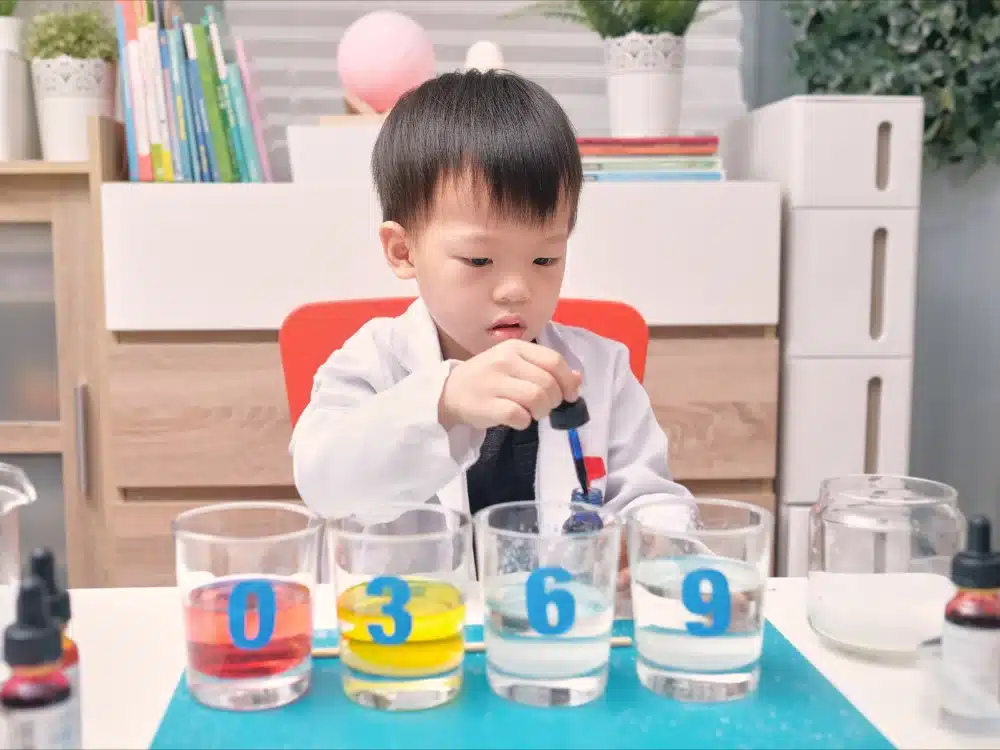
At this stage, kids can follow multi-step instructions. A basic science experiment, like the classic baking soda and vinegar volcano, teaches cause and effect without feeling like schoolwork.
Screen-Free Learning Ideas
Not every activity needs a tablet. In fact, research on early childhood development consistently points to hands-on, physical activities as better for attention span and problem-solving skills than passive screen use.
A few reliable options:
- Building a fort and describing its “architecture”
- Cooking a simple recipe and practicing measurements
- Writing and mailing a letter to a relative
- Gardening, even in a small pot on a windowsill
If a family runs out of ideas for a rainy afternoon, there are plenty of things to do that double as quiet learning time without anyone realizing it’s “educational.”
Turning Everyday Chores Into Lessons
Grocery shopping, laundry, and cooking are full of hidden math and reading practice.
- Cooking: fractions, measurement, sequencing
- Grocery shopping: budgeting, comparison, categorization
- Laundry sorting: colors, patterns, counting
Expert Tip
Rotate activities weekly instead of daily. Kids get more out of repeating and refining one skill over several days than jumping between new activities constantly.
Pros and Cons of Home-Based Learning
Pros
- Flexible and low cost
- Builds independence
- Strengthens parent-child bonding
Cons
- Requires some planning
- Inconsistent without a routine
- Harder to track progress formally
Frequently Asked Questions
What are good educational activities at home for toddlers?
Sorting games, simple puzzles, and naming objects during daily routines work well for toddlers.
How much time should kids spend on home learning activities?
Fifteen to thirty minutes of focused activity is usually enough for younger kids; older kids can handle longer sessions if interested.
Do educational activities at home need to be planned in advance?
No. Many effective activities use everyday items and can be spontaneous.
Are screen-based apps considered educational activities at home?
Some are, but hands-on and physical activities generally support attention and motor skills better.
How can parents make chores feel educational?
By narrating the math or reasoning involved, like counting items or measuring ingredients, chores naturally become learning moments.
Wrapping Up
Consistency matters more than complexity. A few minutes of intentional activity each day builds habits that last far longer than a single elaborate project.